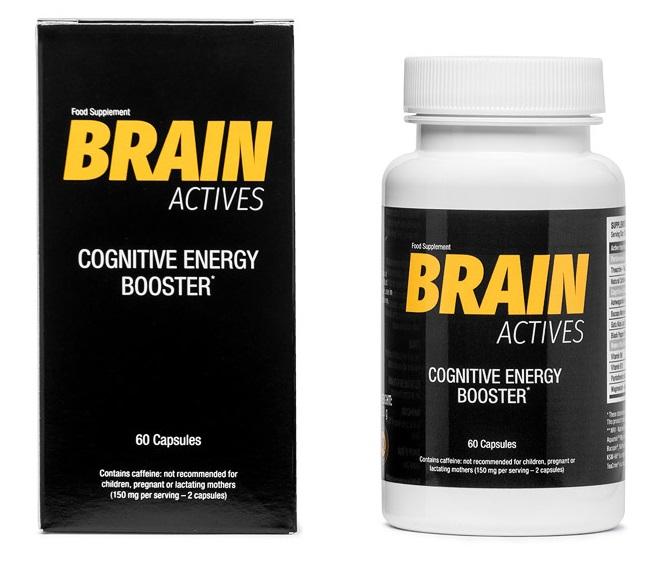
- MAKE YOUR BRAIN WORK LIKE NEVER BEFORE!
- IMPROVE FOCUS AND CONCENTRATION
- ADD ENERGY AND ENDURANCE
- INCREASE COGNITIVE FUNCTIONS
- STRENGTHEN LEARNING ABILITY

Scientists have discovered how to increase mental abilities
As studies of recent years have shown, mental exercises over a cup of coffee, healthy sleep and physical activity, exercises to improve computer attention, reading and working with long breaks to relax the brain will help increase IQ. But no special diet affects mental abilities.
How to increase IQ
For a long time, it was believed that from early childhood IQ remains more or less unchanged. But recently, researchers led by Cathy Price from University College London showed that IQ in four years can increase by 21 points or decrease by 18. The difference is enormous: for example, 110 points is “average intelligence”, and 130 - “ giftedness. " Scientists tested adolescents and young people aged 12 to 20 years. True, it is quite possible that the results are true for other ages, since it is known that the brain is characterized by "neuroplasticity", that is, it creates new neurons even at the age of 60-70 years. Improving sensory-motor abilities can stimulate the cognitive, says Price and her colleagues: learn to knit, understand classical music or juggle, perhaps this will increase your IQ.
The benefits of short-term memory
Another unexpected discovery was made in 2008 by scientists from the University of Michigan under the leadership of Susanne Jaeggi. It turned out that short-term memory is a pillar of the general level of intelligence. Scientists asked adult volunteers to complete the difficult task of developing short-term memory. The longer the participants practiced, the better their ability to think logically and solve problems.
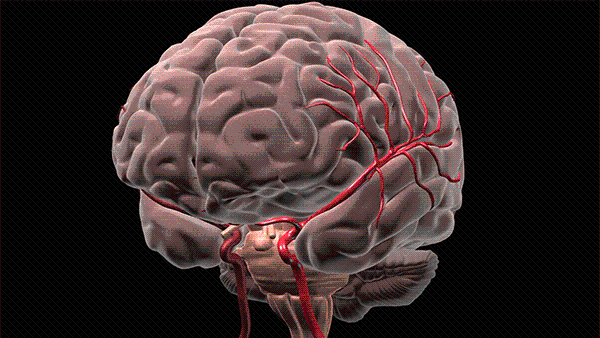
Another way to raise IQ is to improve the brain's ability to focus. Some may benefit from stimulant drugs that increase dopamine levels. According to researchers, memory and the ability to switch attention are developing among gamers. Passionate interest also helps: if you are indifferent to what you read, see or hear, this information will disappear from your memory.
Walking and sleeping will help the brain
It’s not so difficult to train the brain: a 30-minute walk 5 times a week stimulates the production of BDNF protein, a brain neurotrophic factor that fuels the creation of new neurons and synapses during training, researchers at the University of California at Berkeley, led by Professor Matthew Walker, say ) Daytime sleep after tasks that tire the hippocampus, not only restores mental abilities, but can also improve them, the authors concluded.
- supplements for brain oxygen
- radiation pills for brain tumor
- drug brain release
- pills for brain memory
- drug for brain enhancement
- drug for brain booster
- drug brain delivery
This rule, for example, is followed by Nike and Google, providing employees with special rooms for a "quiet hour." In a dream, the hippocampus transfers information to long-term memory. As a result, information is better remembered, and the ability to perceive fresh facts improves. But even without a siesta, the brain always finds a way to relax - indulges in dreams or stops thinking. Scientists from Tohoku University of Japan found: the more active the blood supply in the brain cells at the time of rest, the faster and better the person gives out innovative ideas. So sometimes let your brain sit back.
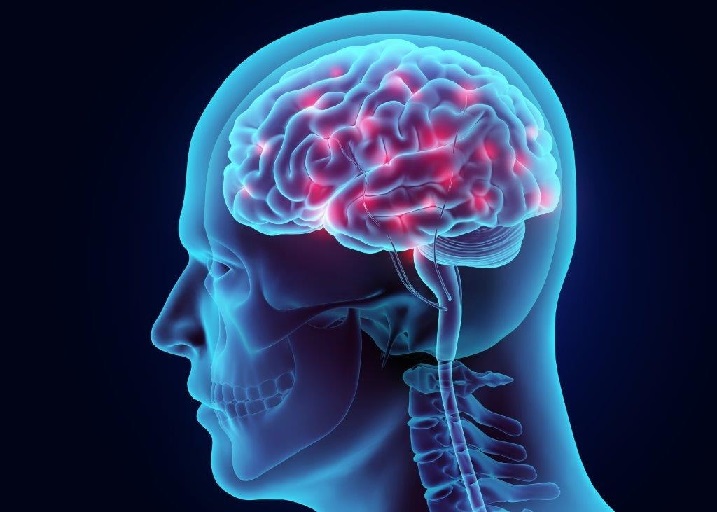
Caffeine helps to remember
Another study showed that caffeine is suitable for increasing insight. In rats, after injections of caffeine, neuron connections in the hippocampus become more active, which improves learning and memorization.
Foreign language as an aid to intelligence
The most proven strategy and at the same time the most difficult: to learn a foreign language. Fluency in two languages encourages the prefrontal cortex to work more actively, which improves the ability to solve problems and switch attention and delays the appearance of senile dementia for 5 years, scientists from York University found.
But no special diets, supposedly increasing mental abilities, have not justified themselves. In 2010, researchers at the Duke Evidence-Based Practice Center found that nutritional supplements with vitamins B6, B12, and E, as well as folic acid, had no effect on preserving cognitive functions, much less improving them. The Mediterranean diet (fish, fruits, vegetables, olive oil) also does not develop intellectual abilities.
© Copyright Brain Actives